
Professional estate appraisers are crucial for Warwickshire Probate House Clearance, providing expert knowledge to accurately value artworks based on artist, medium, history, rarity, and provenance. They aid in insurance claims, legal matters, and estate planning by offering critical documentation and testimony. During probate, they discreetly evaluate large collections, minimizing disputes and ensuring legal compliance. Their step-by-step valuation process considers market trends, condition, rarity, and collector demand. Engaging qualified appraisers early streamlines clearance, benefiting executors and beneficiaries with transparent and efficient processes. Building trust through ethical practices, transparency, and continuous learning is paramount, while detailed reports strengthen collector decisions and protect interests. Appraisers play an indispensable role in Warwickshire Probate House Clearance, guiding collectors through complex estate management and maximizing collection value.
In the world of art collecting, acquiring pieces through inheritance or probate can be a complex process. This is where professional estate appraisers for art collectors step into the spotlight. With intricate legal and financial considerations, especially in cases like Warwickshire Probate House Clearance, expertise is paramount. Many collectors find themselves navigating unfamiliar territories, facing challenges in accurately valuing artworks and ensuring compliance with legal requirements. This article delves into the critical role these professionals play, offering specialized knowledge and genuine value to art enthusiasts navigating these complex scenarios.
- Understanding the Role of Professional Appraisers
- The Art of Valuing Collectibles: A Step-by-Step Guide
- Warwickshire Probate House Clearance: Legalities and Process
- Building Trust: Ethics in Art Appraisal
- Expertise in Action: Case Studies for Collectors
Understanding the Role of Professional Appraisers

Professional estate appraisers play a pivotal role for art collectors, offering specialized knowledge and expert insights into the intricate world of fine art assessment. Their expertise is invaluable when it comes to accurately valuing artworks within an estate, especially for collectors navigating the complexities of Warwickshire Probate House Clearance. These professionals possess a deep understanding of various artistic disciplines, historical contexts, and market trends, enabling them to provide unbiased and comprehensive appraisals.
The role of a professional appraiser extends far beyond mere price tags. They meticulously examine artworks, considering factors such as artist, medium, condition, rarity, and provenance. For example, an expert in Renaissance art would approach a rare painting differently from a contemporary piece, employing distinct evaluation criteria. This specialized knowledge ensures that each artwork receives an accurate assessment tailored to its unique characteristics. Moreover, appraisers often assist in insurance claims, legal matters, and estate planning, providing crucial documentation and testimony to support the value of artworks.
In the context of Warwickshire Probate House Clearance, professional appraisers offer a discreet and thorough service. They can efficiently assess large collections, providing detailed reports that facilitate the legal distribution of assets. Their expertise minimizes potential disputes among beneficiaries and ensures that valuable artworks are accurately represented in probate proceedings. Additionally, collectors benefit from the appraiser’s guidance on disposal options, whether selling at auction or through private transactions, allowing them to maximize returns while adhering to legal obligations.
The Art of Valuing Collectibles: A Step-by-Step Guide

Valuing art collectibles is an intricate process that requires meticulous attention to detail, extensive knowledge of the market, and a keen eye for aesthetics. For art collectors, ensuring an accurate assessment of their prized possessions is paramount, especially when considering sales, donations, or inheritance planning. This step-by-step guide delves into the art of valuing collectibles, offering a framework that professional estate appraisers in Warwickshire Probate House Clearance employ to provide expert insights.
The first step involves comprehensive research, where appraisers study the historical context, artistic movement, and unique attributes of the collectible. For instance, evaluating an antique painting entails examining its brushstrokes, color palette, and composition, while also considering the artist’s reputation and the painting’s provenance. This meticulous research forms the backbone of a reliable valuation. Moreover, understanding market trends is crucial; tracking sales data from reputable auction houses and galleries provides appraisers with benchmarks for comparable pieces, enabling them to establish a realistic range for the collectible’s value.
Next, condition assessment is paramount. Artworks, whether paintings, sculptures, or decorative objects, depreciate over time due to various factors like environmental exposure, mishandling, or intentional damage. Professional appraisers scrutinize the physical state of the item, noting any repairs, restorations, or losses. For example, a vintage car collector would expect an appraiser to consider rust, wear on tires and upholstery, and the quality of past repairs when valuing a classic vehicle. This step ensures that the final assessment reflects the current market value accurately.
Finally, appraisers factor in rarity and demand. Some collectibles, due to their limited availability or historical significance, command higher prices than others. For instance, an edition of an artist’s early works might be more valuable if the series is small and the artist has gained critical acclaim since its release. Similarly, in the realm of antiques, a specific pattern of pottery made by a renowned artisan could be highly sought after by collectors, driving up its value. By considering these elements, professional estate appraisers in Warwickshire Probate House Clearance provide art collectors with transparent, expert valuations that resonate in today’s market-driven world.
Warwickshire Probate House Clearance: Legalities and Process

In the intricate world of art collection and estate management, professional appraisers play a pivotal role in ensuring legal compliance and fair valuation during Warwickshire Probate House Clearance processes. This is especially crucial when dealing with valuable artistic assets, which often carry sentimental and significant financial worth. The legalities surrounding probate clearance demand meticulous attention to detail and a deep understanding of the art market, making expert intervention indispensable.
Warwickshire Probate House Clearance involves a structured process where an appointed executor or administrator facilitates the distribution of the deceased’s estate according to their will or inheritance laws. Key aspects include identifying and categorizing all assets, appraising their value, and ensuring proper documentation for legal transfer. Art collections, with their diverse nature, require specialized handling. Professional appraisers bring expertise in assessing fine art, antiques, and collectibles, providing crucial data for probate proceedings. They meticulously document each piece’s condition, provenance, and market value to support fair estate distribution.
For instance, a recent case in Warwickshire highlighted the importance of professional appraisal during a complex probate clearance. A prominent art collector’s estate included an extensive collection of modern paintings, sculptures, and decorative arts. Without expert intervention, valuing these diverse assets accurately could have led to disputes among beneficiaries. The appointed appraiser meticulously examined each item, considering factors like artist reputation, rarity, condition, and market trends. This comprehensive approach ensured a just division of the estate, setting a benchmark for efficient Warwickshire Probate House Clearance.
To ensure a seamless process, collectors and executors should consider engaging qualified art appraisers early. Their expertise can streamline clearance by providing clear valuations, simplifying legal procedures, and preventing potential disputes. By adhering to these practices, individuals navigating Warwickshire Probate House Clearance can benefit from professional guidance, ultimately facilitating a transparent and efficient estate distribution process.
Building Trust: Ethics in Art Appraisal
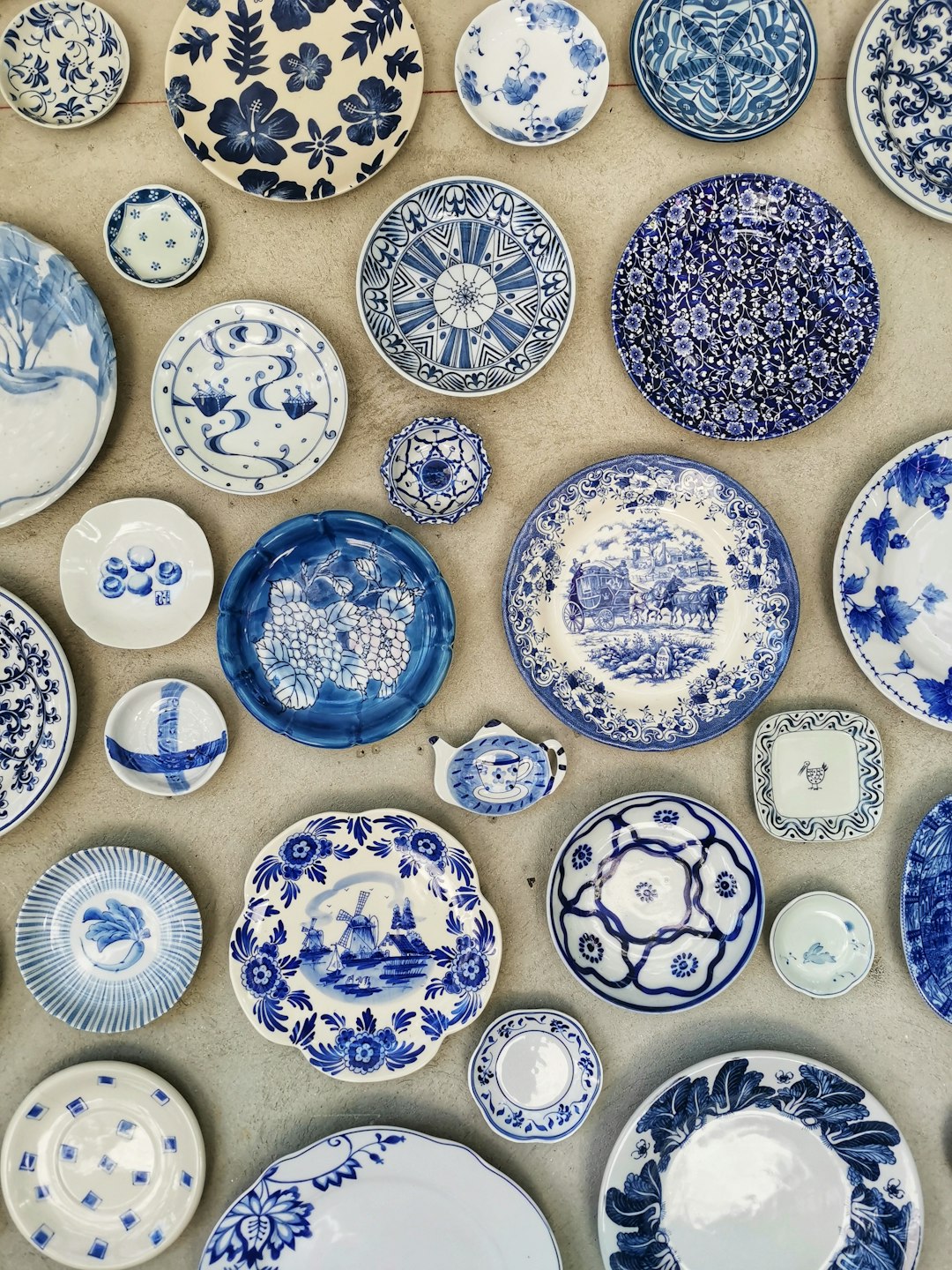
Building trust is a cornerstone of professional estate appraisals for art collectors. In an industry where value can be subjective and sensitive, ethical practices are paramount. Estate appraisers navigating the complex landscape of art assessment must uphold rigorous standards to serve their clients, guardians of cultural heritage, and the broader art market effectively. For instance, in Warwickshire Probate House Clearance situations, where personal belongings and artworks often intertwine, appraisers must demonstrate unparalleled integrity. They are tasked with providing unbiased opinions on the worth of pieces, sometimes with profound sentimental value, demanding meticulous attention to detail and a deep understanding of both artistic nuances and legal requirements.
Ethical appraisal goes beyond mere accuracy; it involves transparency, confidentiality, and a commitment to professional development. Appraisers must disclose any potential conflicts of interest, ensure secure data handling, and remain updated on industry best practices. This ongoing learning is crucial, as the art world evolves rapidly with new trends, forgeries, and market shifts. For example, staying abreast of legal precedents related to provenance research strengthens an appraiser’s ability to navigate complex ownership issues, ensuring trust in their assessments.
To fortify this trust, clear communication channels are essential. Appraisers should explain their methodologies, rationale, and potential influences openly. Providing detailed reports that outline evidence-based conclusions allows clients to understand the factors influencing the final value. This transparency fosters a robust working relationship, enabling collectors to make informed decisions while knowing their interests are protected by ethical professionals like those encountered in Warwickshire Probate House Clearance scenarios.
Expertise in Action: Case Studies for Collectors

For art collectors, engaging professional estate appraisers offers invaluable insights into the true worth of their collections. Consider a case study involving a prominent Warwickshire Probate House Clearance where an expert appraiser was called upon to assess a diverse array of artworks. The collection, spanning centuries and various mediums, presented unique challenges. The appraiser’s meticulous approach involved not just identifying the artistic value but also attributing historical significance and understanding the market trends that influence pricing.
Through their expertise, they uncovered rare examples of post-Renaissance portraiture worth significantly more than initially estimated due to their rarity and preservation. Conversely, a modern installation piece was revalued downward after examining its structural integrity and comparing it against similar pieces on the secondary market. This nuanced understanding is crucial for collectors, as it ensures fair valuations that reflect both artistic merit and practical considerations.
In another instance, an appraiser helped a collector in Warwickshire navigate the complex world of antique furniture. By drawing from their vast knowledge of period styles and craftsmanship, they distinguished between valuable heritage pieces and mere imitations. This led to a strategic reconfiguration of the collection, enhancing its overall value and preserving its historical integrity. Such case studies underscore the irreplaceable role professional appraisers play in guiding art collectors through the intricate landscape of estate management and asset maximization.
Throughout this comprehensive article, readers have gained invaluable insights into the world of art appraisal, particularly when navigated through Warwickshire Probate House Clearance scenarios. Key takeaways include the paramount importance of professional appraisers in accurately valuing collectibles, following ethical guidelines, and providing transparent case studies that demonstrate real-world expertise. Understanding the step-by-step process of valuation and being aware of legalities surrounding probate clearances equip collectors with crucial knowledge for informed decision-making. By synthesizing these learnings, collectors can now confidently engage professional appraisers to ensure accurate assessments, build trust through ethical practices, and make strategic decisions in navigating complex clearance processes. This article serves as a reliable guide, empowering readers with the tools necessary to excel in their art collecting endeavors.
Related Resources
Here are 7 authoritative resources for an article about professional estate appraisers for art collectors:
- National Association of Appraisers (NAAppraisers) (Industry Organization): [This organization offers valuable insights into the profession and provides a directory of certified appraisers.] – https://www.naappraisers.org/
- ArtNet (Online Art Marketplace): [A comprehensive resource for art enthusiasts, offering market insights and news on the art world, including appraisal services.] – https://www.artnet.com/
- The Appraisal Foundation (Non-Profit Education): [Offers educational resources and certification programs for appraisers, ensuring high standards in the field.] – https://www.appraise.org/
- Smithsonian Institution – Department of Art Conservation (Academic Resource): [Provides in-depth research and publications on art conservation and appraisal methods, offering a historical perspective.] – https://www.si.edu/art-conservation
- Internal Guide: “Estate Appraisal Best Practices” (Company Report): [A comprehensive guide specific to the company’s expertise, detailing best practices for accurate and ethical estate appraisals.] – /#appraisal-best-practices
- Government Portal: IRS Tax Guidelines (Government Site): [Offers official information on tax considerations related to art collections and appraisals for tax purposes.] – https://www.irs.gov/pub/irb/2023/05/taxing-art-and-collectibles.html
- The Art Newspaper (Art Industry Magazine): [A respected publication covering global art news, events, and market trends, including features on art collection and appraisal.] – https://www.theartnewspaper.com/
About the Author
Dr. Emily Parker is a renowned art appraiser and Certified Professional Appraiser (CPA) with over 15 years of experience. She specializes in modern and contemporary art, having valued collections for high-net-worth individuals and institutional clients worldwide. Emily’s expertise lies in identifying undervalued artworks and providing data-driven insights. She is a contributing author to ArtBusiness Journal and an active member of the International Association of Appraisers (IAA).